
All About Travel, Ltd.
Call 405-384-3880
800-880-8517
email: trips@allabout-travel.com

Oklahoma City's Best Cruise Travel Agency
Lindblad Expeditions River Cruises: What to Know Before You Book
National Geographic-Lindblad Expeditions takes a very different approach to river cruising than traditional companies such as Viking, AmaWaterways or Avalon Waterways.
Lindblad comes from the world of expedition travel.
That heritage influences everything from the ships it selects to the people who accompany its travelers and the way destinations are explored.
Today, Lindblad's river programs extend well beyond the Amazon. Travelers can explore European waterways including the Rhine, the Columbia and Snake Rivers in the Pacific Northwest, the Upper Amazon in Peru, the Nile in Egypt, the Mekong in Vietnam and Cambodia, India's Brahmaputra River and Scotland's Caledonian Canal and connected waterways.
Instead of trying to make every river cruise feel the same, Lindblad adapts the experience—and often the ship—to the destination.
Lindblad Expeditions River Cruises at a Glance
Cruise Style: Small-ship, destination-focused expedition river cruising
Best Known For: Expedition teams, naturalists, photographers, cultural experts and small-group exploration
River Destinations: Europe, Pacific Northwest, Amazon, Nile, Mekong, Brahmaputra and Scotland
Ship Style: Varies significantly by destination
Atmosphere: Casual, educational and exploration-focused
Shore Experience: Expert-led sightseeing, active exploration, wildlife, history, culture and photography depending upon destination
Ship Size: Approximately 28 to 120 guests on many current river programs
Photography: Photography instruction and expertise are important components of many Lindblad expeditions
Dining: Varies by ship and region, with destination-focused cuisine playing an important role
Biggest Difference: Lindblad brings an expedition philosophy to river cruising rather than attempting to create a standardized river cruise experience everywhere it sails.
The History of Lindblad Expeditions
The Lindblad name has an important place in the history of modern expedition travel.
Lars-Eric Lindblad was one of the pioneers who helped make travel to remote parts of the world accessible to travelers who were not scientists or professional explorers.
His expeditions took travelers to places that had rarely been considered conventional vacation destinations.
His son, Sven-Olof Lindblad, continued that philosophy through Lindblad Expeditions.
Rather than building vacations around large ships, entertainment and resort-style amenities, Lindblad developed journeys around exploration, education and access to remarkable places.
The company became particularly well known for destinations such as the Galápagos, Antarctica, Alaska and other wildlife-rich regions.
Its relationship with National Geographic further strengthened the company's emphasis on science, natural history, photography, culture and storytelling.
River cruising became a natural extension of that philosophy.
Some rivers—particularly the Amazon, Columbia, Snake and Brahmaputra—are themselves ecosystems worthy of expedition-style exploration.
Other waterways, such as the Rhine, Nile and Mekong, provide access to thousands of years of history and culture.
Rather than treating all of these destinations the same, National Geographic-Lindblad Expeditions uses different vessels and different types of experts to create programs appropriate to each region.
What Makes Lindblad Expeditions Different?
The biggest difference is not necessarily the ship.
It is how Lindblad approaches the destination.
Traditional river cruising often follows a familiar formula:
Sail overnight, dock in a city or town, take a guided excursion and return to the ship.
Lindblad can do that when appropriate, particularly in Europe and Egypt.
But its expedition background allows it to go much further.
Depending upon the destination, passengers may experience:
- Expert-led cultural sightseeing
- Naturalist-guided wildlife exploration
- Photography instruction
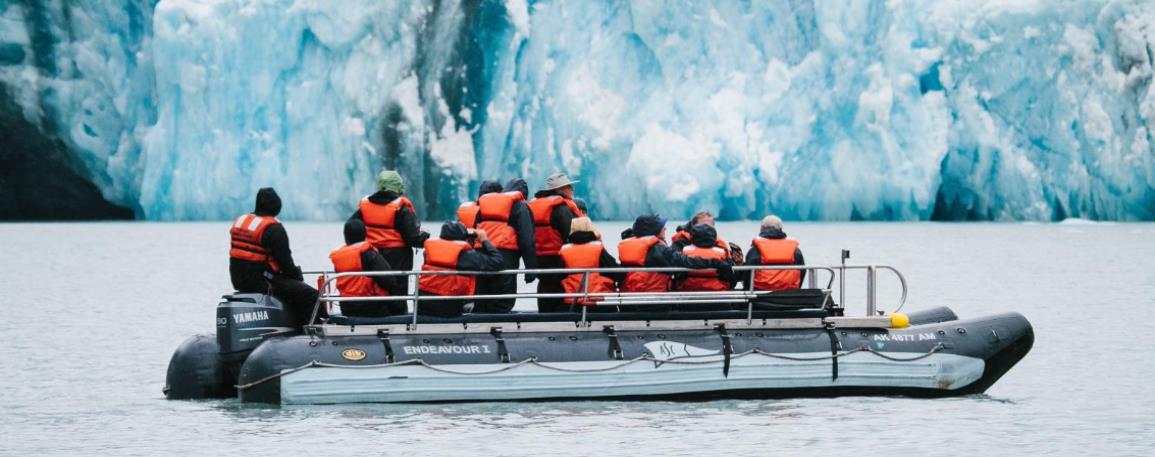
- Zodiac or skiff exploration
- Kayaking
- Hiking
- Historic sites
- Museums
- Archaeological sites
- Food and wine experiences
- Visits with local communities
- Lectures and presentations
- Small-group exploration
Lindblad's expedition teams can include naturalists, photographers, historians, cultural specialists and locally based experts.
The expertise changes with the destination.
A naturalist who is essential in the Amazon would make less sense leading a culinary experience along the Rhine.
That adaptability is a fundamental part of the Lindblad approach.
Where Does Lindblad Expeditions River Cruise?
Lindblad's current river program covers a surprisingly broad range of destinations.
Rhine River & European Waterways
Lindblad has expanded significantly into traditional European river cruising.
Its Rhine River program combines castles, historic communities, food, wine and European culture with the company's expert-led approach to exploration.
The experience is more recognizable as a traditional European river cruise than Lindblad's Amazon expeditions, but the emphasis on expert interpretation remains.
New-generation European river ships provide a much more contemporary river-cruise environment than Lindblad's traditional expedition vessels.
The European program also includes itineraries exploring waterways in destinations such as Holland and Belgium.
Columbia & Snake Rivers
The Columbia and Snake Rivers provide one of Lindblad's most natural combinations of river cruising and expedition travel.
Rather than concentrating on European castles and medieval cities, these itineraries explore the landscapes, history, food, wine and cultures of the Pacific Northwest.
The region is closely connected with the journeys of Lewis and Clark.
Depending upon the itinerary, experiences can include:
- Zodiac exploration
- Hiking
- Historic sites
- Wine experiences
- Local food
- Wildlife
- Photography
- Interpretation of Native American history and culture
The smaller expedition ships used here can reach places that would be difficult for larger vessels to access.
Explore the Columbia & Snake Rivers
Upper Amazon — Peru
The Upper Amazon is perhaps the purest expression of Lindblad's expedition approach to river cruising.
Lindblad explores Peru's Amazon Basin, including the waterways surrounding the Pacaya-Samiria National Reserve.
The focus is overwhelmingly on the environment.
Travelers may encounter:
- Pink river dolphins
- Monkeys
- Macaws
- Sloths
- Caimans
- Tropical birds
- Flooded forests
- Remote river communities
Exploration can include small skiffs, kayaks and guided rainforest walks.
The itinerary may change according to wildlife, water levels and local conditions.
That's not a flaw.
It's part of expedition travel.
Nile River — Egypt
Lindblad's Nile program is very different from its Amazon expeditions.
Here, the focus shifts from wildlife and rainforest to archaeology, ancient history and Egyptian culture.
Lindblad currently uses intimate luxury river vessels for programs exploring Egypt.
The river cruise can form part of a broader journey incorporating major archaeological and historic sites.
Experiences may include temples, tombs, museums and some of the world's most important ancient monuments.
Because the ships carry considerably fewer passengers than many traditional Nile vessels, the onboard experience remains intimate.
[Explore the Nile River]
Mekong River — Vietnam & Cambodia
Lindblad explores the Mekong aboard a small river ship designed specifically for Southeast Asia.
The experience combines the river with the history and cultures of Vietnam and Cambodia.
Rather than viewing the Mekong simply as transportation, the river becomes a way of reaching communities, markets and landscapes that help travelers better understand the region.
The broader journey can also incorporate major cultural sites beyond the river itself.
Brahmaputra River — India
The Brahmaputra offers another excellent example of why expedition travel and river cruising can work together.
Lindblad explores the region aboard a very small vessel designed for the river's unusual conditions.
The river travels through Assam, an area known for wildlife, remote communities and dramatic landscapes.
Programs can combine the Brahmaputra with experiences such as Kaziranga National Park, where travelers may encounter one-horned rhinoceroses, elephants and other wildlife.
Lindblad also offers broader India journeys that combine the river with major cultural and historic destinations elsewhere in the country.
[Explore the Brahmaputra River]
Scotland — Caledonian Canal & Highlands
Lindblad also includes Scotland's Caledonian Canal and connected waterways within its river-cruise program.
These journeys travel through the Scottish Highlands aboard a small ship specifically designed to navigate the canal's locks and waterways.
The experience combines:
- Scottish history
- Castles
- Lochs
- Highlands scenery
- Historic communities
- Hiking
- Cultural exploration
This is another example of a Lindblad river journey that doesn't fit neatly into the traditional European river cruise category.
How Much Does a Lindblad River Cruise Cost?
There is no useful single average price for a Lindblad river cruise because the products are so different.
A European Rhine cruise cannot realistically be priced or compared in the same way as an Amazon expedition or an extended India journey.
Current published starting prices illustrate the range.
European Rhine programs can begin around $6,000 per person.
Columbia and Snake River programs can begin below $5,000 per person for some shorter departures.
Upper Amazon expeditions can begin around $8,000 per person.
Nile programs can begin above $10,000 per person.
Mekong expeditions can begin above $14,000 per person.
Longer India programs combining the Brahmaputra with land experiences can reach well above $20,000 per person.
These are planning examples rather than fixed prices.
Actual cost depends upon:
- Destination
- Length
- Ship
- Cabin category
- Departure date
- Airfare
- Land arrangements
- Current promotions
- Pre- and post-expedition arrangements
Compare the Experience, Not Just the Number of Nights
This is particularly important with Lindblad.
An eight-day Rhine cruise and an eight-day wildlife expedition may be the same length, but they are not the same product.
Compare:
Ship + destination + expedition team + excursions + included activities + land arrangements + airfare + total vacation price.
What's Included on Lindblad River Cruises?
Inclusions vary significantly by destination and vessel.
Depending upon the itinerary, the fare can include:
- Shipboard accommodations
- Meals aboard the ship
- Expedition team
- Expert guides
- Naturalists
- Historians or cultural specialists
- Photography instruction
- Scheduled excursions
- Expedition activities
- Zodiac or skiff exploration
- Kayaking or other exploration equipment
- Lectures and enrichment
- Transfers specified in the itinerary
- Selected land arrangements
Beverage, gratuity, transfer and airfare policies can differ between programs.
This is one cruise line where it is especially important to examine the specific itinerary's inclusions rather than applying a single fleetwide rule.
Dining on Lindblad River Cruises
Dining varies according to the ship and destination.
This makes sense.
The cuisine aboard a European Rhine vessel should not be identical to the dining experience aboard a 28-passenger ship in the Peruvian Amazon.
Lindblad generally attempts to connect dining with the region being explored.
In Europe, food and wine can become important parts of the destination experience.
In Peru, Amazonian and Peruvian ingredients and flavors play a significant role.
In Egypt, India and Southeast Asia, regional cuisine helps extend the cultural experience onboard.
Travelers should examine the individual vessel when dining is an especially important part of the vacation.
Lindblad Staterooms & Suites
There is no standard “Lindblad river cruise cabin.”
That is one of the most important things to understand.
Lindblad uses a collection of very different ships.
A European river vessel carrying approximately 120 guests is fundamentally different from a 28-passenger Amazon ship.
Depending upon the vessel, travelers may find:
- Traditional river cruise staterooms
- Suites
- Panoramic windows
- Large picture windows
- Balconies
- Convertible living spaces
- Individually styled accommodations
Always compare the actual vessel and cabin category associated with the itinerary.
Is a Balcony Worth the Extra Cost?
This is one of the most important decisions when selecting a river cruise cabin.
River cruises are destination intensive. On many days passengers leave after breakfast and spend a large portion of the day ashore.
If you expect to participate in most excursions, you may find that a Standard or French Balcony stateroom gives you everything you need.
On the other hand, travelers who enjoy sitting privately outside with coffee in the morning or watching castles and vineyards pass may find a full veranda well worth the additional expense.
There is no universally correct choice.
Consider how you actually travel before spending the money to upgrade.
Shore Excursions & Expedition Exploration
This is where Lindblad's expedition background becomes most obvious.
In Europe, sightseeing can include:
- Historic walking tours
- Castles
- Food experiences
- Wine
- Museums
- Cultural sites
In the Amazon, that may change to:
- Skiff exploration
- Kayaking
- Rainforest walks
- Wildlife observation
- Community visits
On the Columbia and Snake Rivers, passengers may experience:
- Hiking
- Zodiacs
- History
- Wine
- Food
- Cultural interpretation
On the Nile, the emphasis shifts toward:
- Archaeology
- Temples
- Tombs
- Museums
- Ancient Egyptian history
Lindblad doesn't force every river into the same excursion model.
The destination determines the experience.
Photography, Naturalists & Experts
This is one of Lindblad's strongest distinguishing characteristics.
Expedition teams can include experts in subjects such as:
- Wildlife biology
- Natural history
- Photography
- Cultural history
- Archaeology
- Regional history
- Conservation
National Geographic-Lindblad Expeditions also places particular emphasis on photography.
Passengers do not need to be serious photographers.
Photo instructors can help travelers get better results whether they're carrying sophisticated camera equipment or simply using a phone.
The expertise onboard changes with the destination, allowing the expedition team to reflect what travelers are actually there to experience.
What Is Life Like Onboard Lindblad River Cruises?
There is no single answer because the vessels differ dramatically.
However, the atmosphere is generally casual, educational and destination-focused.
Depending upon the ship, passengers may find:
- Lounge
- Bar
- Dining room
- Sun Deck
- Observation areas
- Fitness facilities
- Wellness areas
- Library
- Open bridge
- Multiple dining venues
- Lectures
- Presentations
- Cultural programming
Evening entertainment generally takes a back seat to enrichment and the destination.
This is not a cruise product built around casinos, large production shows or elaborate nightlife.
The Lindblad River Fleet
Lindblad's fleet strategy is unusual enough that it deserves explanation.
Rather than attempting to operate one standardized river ship design around the world, Lindblad uses or charters vessels appropriate to individual destinations.
Current examples demonstrate the range.
European River Ships
Connect and Evolve carry approximately 120 guests and represent Lindblad's move into contemporary European river cruising.
These vessels provide a much more recognizable European river cruise experience while incorporating Lindblad's expedition team and programming.
Amazon Ships
Delfin II carries just 28 guests, while Delfin III carries 42 guests.
Their tiny size is appropriate for exploring the Upper Amazon.
Pacific Northwest
National Geographic Sea Bird and National Geographic Sea Lion each carry approximately 62 guests and have shallow drafts that allow exploration of the Columbia and Snake river systems.
Nile River
Oberoi Philae carries approximately 44 guests, while Sun Goddess accommodates approximately 60.
Mekong River
The Jahan carries approximately 48 guests and is specifically designed for Southeast Asian river travel.
Brahmaputra River
Charaidew II carries only 34 guests and has a shallow draft and low profile appropriate for India's Brahmaputra.
Scotland
Lord of the Glens carries approximately 46 guests and was designed to navigate the locks and waterways of Scotland's Caledonian Canal.
With Lindblad, the ship is much more closely connected to the destination than it is with many standardized river cruise fleets.
How Does Lindblad Compare With Other River Cruise Lines?
Lindblad's fleet strategy is unusual enough that it deserves explanation.
Rather than attempting to operate one standardized river ship design around the world, Lindblad uses or charters vessels appropriate to individual destinations.
Current examples demonstrate the range.
European River Ships
Connect and Evolve carry approximately 120 guests and represent Lindblad's move into contemporary European river cruising.
These vessels provide a much more recognizable European river cruise experience while incorporating Lindblad's expedition team and programming.
Amazon Ships
Delfin II carries just 28 guests, while Delfin III carries 42 guests.
Their tiny size is appropriate for exploring the Upper Amazon.
Pacific Northwest
National Geographic Sea Bird and National Geographic Sea Lion each carry approximately 62 guests and have shallow drafts that allow exploration of the Columbia and Snake river systems.
Nile River
Oberoi Philae carries approximately 44 guests, while Sun Goddess accommodates approximately 60.
Mekong River
The Jahan carries approximately 48 guests and is specifically designed for Southeast Asian river travel.
Brahmaputra River
Charaidew II carries only 34 guests and has a shallow draft and low profile appropriate for India's Brahmaputra.
Scotland
Lord of the Glens carries approximately 46 guests and was designed to navigate the locks and waterways of Scotland's Caledonian Canal.
With Lindblad, the ship is much more closely connected to the destination than it is with many standardized river cruise fleets.
How Does Lindblad Compare With Other River Cruise Lines?
Lindblad is difficult to compare directly with conventional river cruise companies because its product changes so much by destination.
Lindblad vs. Viking
Viking emphasizes consistency, Scandinavian design and destination-focused sightseeing across a large river fleet.
Lindblad emphasizes expedition teams, expertise and a ship specifically suited to the destination.
On the Rhine, the products become more directly comparable.
On the Amazon or Columbia River, they are very different experiences.
[Explore Viking River Cruises]
Lindblad vs. AmaWaterways
AmaWaterways emphasizes active excursions, cycling, wellness, food and wine while remaining a traditional upscale river cruise company.
Lindblad takes the active and educational concept further into expedition-style exploration.
[Explore AmaWaterways]
Lindblad vs. Avalon
Avalon's defining features include Panorama Suites, beds facing the river and Classic, Active and Discovery excursion choices.
Lindblad's identity is much more closely tied to expedition staff, expertise and destination-specific exploration.
[Explore Avalon Waterways]
Lindblad vs. Tauck
This is an interesting comparison because both place substantial emphasis on what happens ashore.
Tauck approaches the destination through more than a century of guided touring.
Lindblad approaches it through expedition travel.
For a cultural European itinerary, the distinction can be subtle.
For wildlife destinations such as the Amazon, it becomes much greater.
[Explore Tauck River Cruises]
Lindblad vs. Aqua Expeditions
For the Amazon, this becomes a much more direct comparison.
Both provide small-ship upscale exploration.
Travelers should compare ship size, accommodations, dining, naturalists, activities, itinerary and overall service style.
[Explore Aqua Expeditions]
Is Lindblad a Luxury River Cruise Line?
Sometimes—but that label doesn't completely describe the product.
Several Lindblad river vessels provide genuinely luxurious accommodations, dining and service.
Others place greater emphasis on expedition capability and access.
Lindblad is therefore better described as premium-to-luxury expedition river cruising, depending upon the destination and vessel.
The real luxury may be:
- Small passenger numbers
- Expert guides
- Access to remote areas
- Specialized vessels
- Naturalists
- Photography instruction
- Unique experiences
Travelers expecting every Lindblad ship to resemble Scenic or Uniworld should understand that this is a different interpretation of luxury.
Is Lindblad Good for a First River Cruise?
That depends entirely on what the traveler expects from a river cruise.
For someone wanting a classic European experience, Lindblad's Rhine program can provide a recognizable introduction to river cruising with an expedition-oriented twist.
For someone interested in American history, scenery, food and wine, the Columbia and Snake Rivers provide a completely different introduction.
For wildlife and nature, the Upper Amazon may be far more appealing.
For ancient history, consider the Nile.
For Southeast Asian culture, consider the Mekong.
The advantage of Lindblad is that the traveler doesn't necessarily need to start with the conventional Rhine-or-Danube formula.
Frequently Asked Questions About Lindblad Expeditions River Cruises
Does Lindblad really offer traditional European river cruises?
Yes.
Lindblad now operates European river programs including the Rhine and other European waterways aboard modern river ships.
Does Lindblad cruise the Amazon?
Yes.
Lindblad explores the Upper Amazon in Peru aboard Delfin II and Delfin III.
Does Lindblad cruise the Columbia and Snake Rivers?
Yes.
Lindblad offers expedition-style journeys through the Pacific Northwest on the Columbia and Snake river systems.
Does Lindblad cruise the Nile?
Yes.
Lindblad offers Egypt programs incorporating Nile River cruising aboard small luxury vessels.
Does Lindblad cruise the Mekong?
Yes.
Lindblad explores Vietnam and Cambodia along the Mekong aboard The Jahan.
Does Lindblad cruise in India?
Yes.
Lindblad offers Brahmaputra River programs in Assam, including journeys that combine the river with wildlife and broader Indian cultural experiences.
Does Lindblad cruise in Scotland?
Yes.
Lindblad operates journeys aboard Lord of the Glens through the Caledonian Canal, lochs and waterways of the Scottish Highlands.
Does Lindblad own all of its river ships?
No.
Lindblad's river program combines vessels from its expedition fleet with carefully selected chartered ships.
The company adds its expedition programming and expert guides to these voyages.
Are Lindblad river ships all the same?
Absolutely not.
Current vessels range from approximately 28 passengers in the Amazon to 120 passengers on European river ships.
Are excursions included?
Expedition activities and scheduled experiences are important components of Lindblad programs, but exact inclusions vary by itinerary.
Always review the specific departure.
Does Lindblad have naturalists onboard?
Naturalists are particularly important on wildlife-focused expeditions such as the Amazon and Pacific Northwest.
Other destinations may use historians, cultural experts, photographers and locally based specialists.
Is Lindblad good for photographers?
Yes.
Photography has long been an important part of the National Geographic-Lindblad Expeditions experience.
Do I need to be physically active?
Not necessarily, but activity requirements vary dramatically.
A Rhine cultural tour may require normal walking, while an Amazon expedition can involve small boats, uneven terrain, heat and humidity.
Review the individual itinerary carefully.
Are Lindblad river cruises adults only?
No.
Age requirements and family suitability depend upon the specific expedition.
What is the best Lindblad river cruise?
There isn't one best choice.
For classic Europe, consider the Rhine.
For American history, scenery, food and wine, consider the Columbia and Snake.
For wildlife and rainforest, consider the Amazon.
For ancient history, consider the Nile.
For Southeast Asian culture, consider the Mekong.
For wildlife and a less-traveled part of India, consider the Brahmaputra.
For Scottish scenery and history, consider the Caledonian Canal and Highlands.
Is Lindblad Expeditions Right for You?
Lindblad's greatest strength is that it doesn't try to make every river feel the same.
A Rhine cruise should feel like Europe.
An Amazon expedition should feel like the rainforest.
A Nile journey should revolve around ancient Egypt.
A Columbia and Snake River expedition should connect travelers with the history, landscapes and culture of the Pacific Northwest.
The ships, experts and activities change accordingly.
For travelers who want to understand and explore a destination rather than simply cruise through it, Lindblad provides one of the more unusual approaches to river travel.
Let All About Travel Help You Choose the Right River Cruise
Choosing a Lindblad river cruise involves more than choosing a ship.
The river, destination, vessel, expedition team, activity level, accommodations, inclusions and total vacation price can create dramatically different experiences.
All About Travel can help you compare Lindblad Expeditions with Viking, AmaWaterways, Avalon, Tauck and other traditional river cruise companies—as well as expedition-oriented companies such as Aqua Expeditions—to determine which style of river travel best matches what you want from the trip.
Explore Other River Cruise Lines
[Contact All About Travel About a Lindblad Expeditions River Cruise]
All About Travel
6104 Northwest 63
Oklahoma City, OK 73132
(405) 384-3880 or (800) 880-8517
 |
 |
 |
||