
All About Travel, Ltd.
Call 405-384-3880
800-880-8517
email: trips@allabout-travel.com



Oklahoma City's Best Cruise Travel Agency
Elbe River Cruises: A Complete Guide to Cruising the Elbe
An Elbe River cruise is a more specialized European river journey, combining German and Czech history with landscapes that can feel less heavily traveled than the Rhine or Danube. Typical cruise-tours connect Berlin, Wittenberg, Meissen, Dresden, Saxon Switzerland and Prague, with portions sailed on the Elbe and connected waterways.
The Elbe is best understood as a cruise region, not just a line on a map. The itinerary, season, ship and amount of time spent ashore can change the character of the trip considerably. Travelers should compare what they will actually see and do rather than choosing only by cruise length or advertised fare.
Why Take a Elbe River Cruise?
A Elbe cruise is particularly appealing for travelers interested in Germany and the Czech Republic. Depending on the itinerary, the experience can combine:
|
|
|
|
|
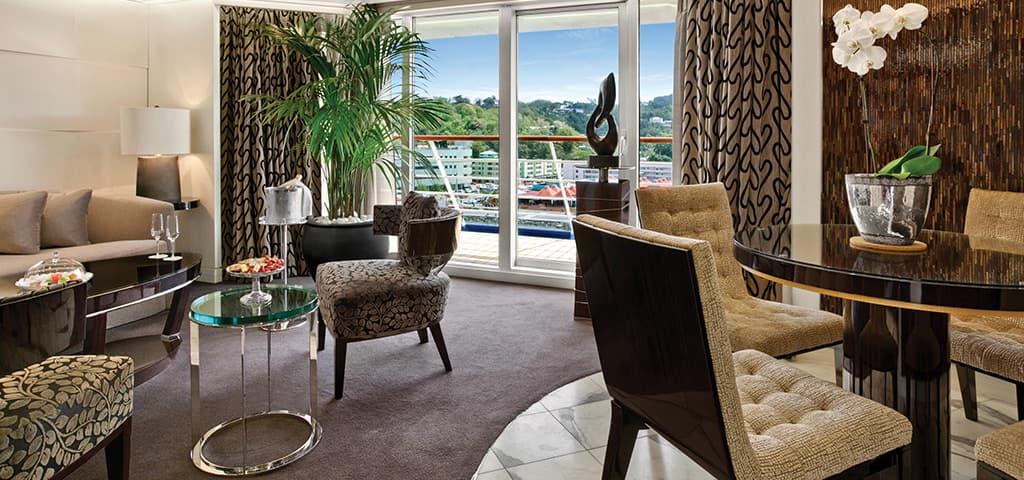
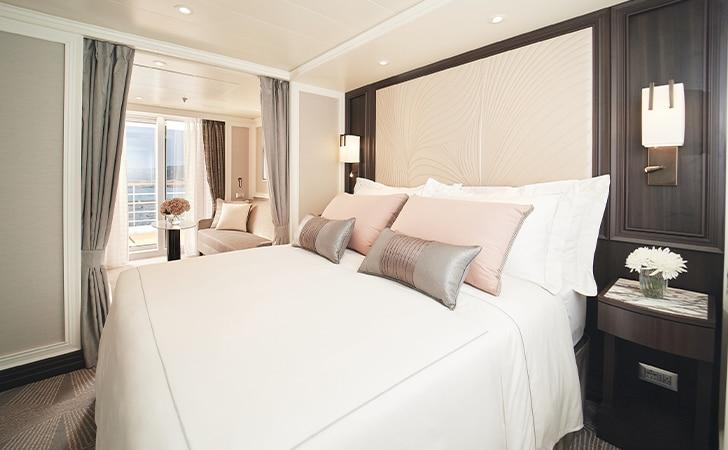
One of the advantages of river cruising is the ability to move through a region while unpacking once. The ship becomes a traveling hotel, while the destination changes outside your window.

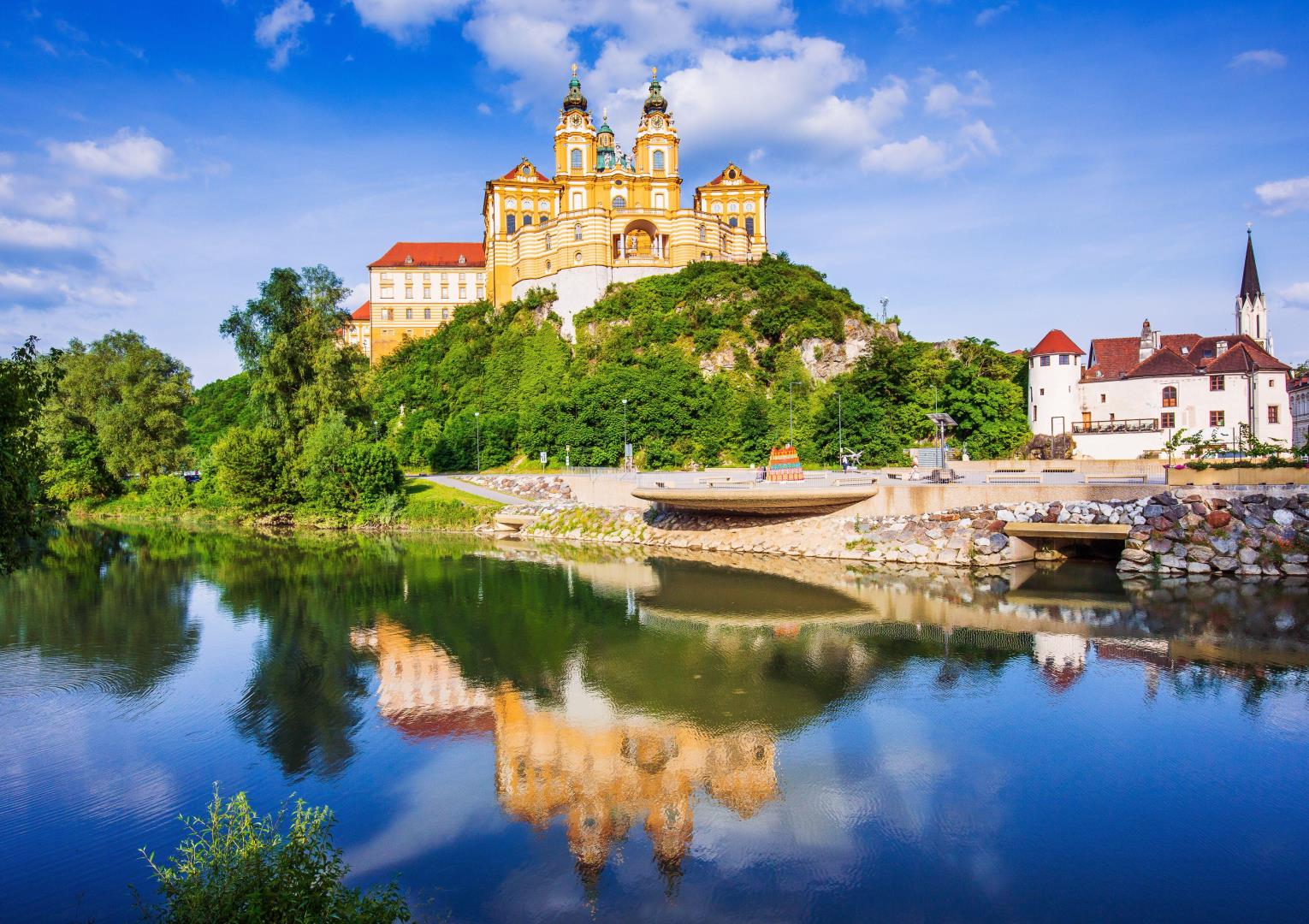

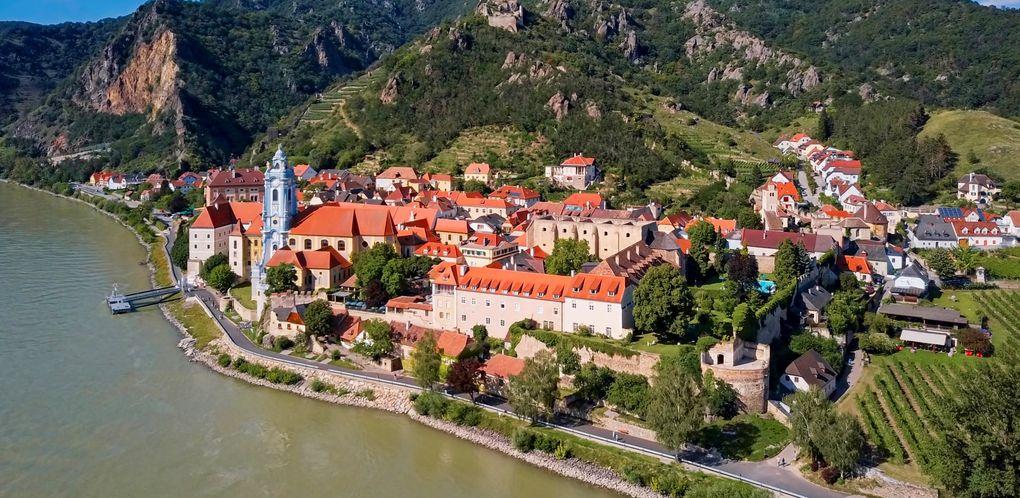
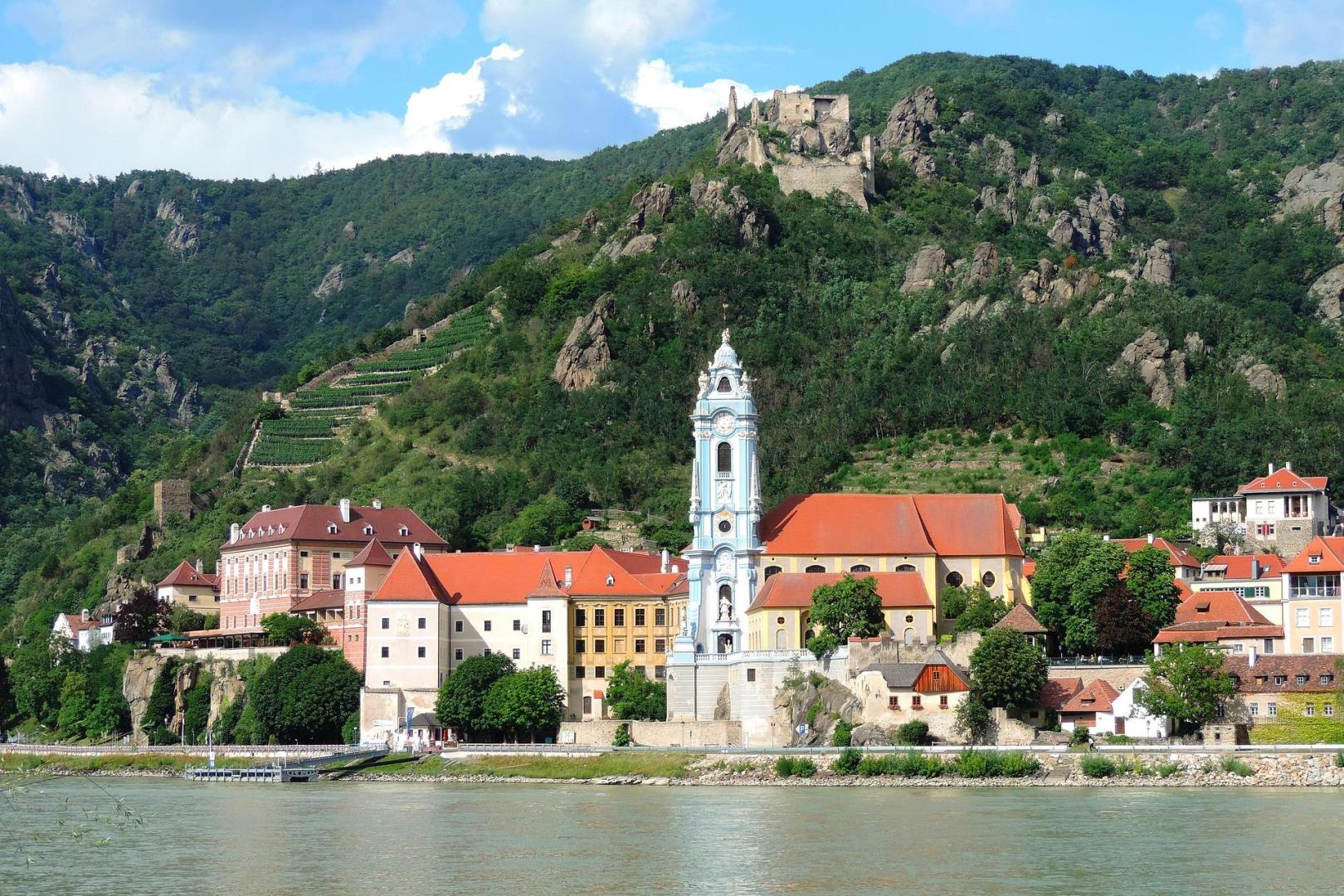
Typical Elbe River Cruise Route
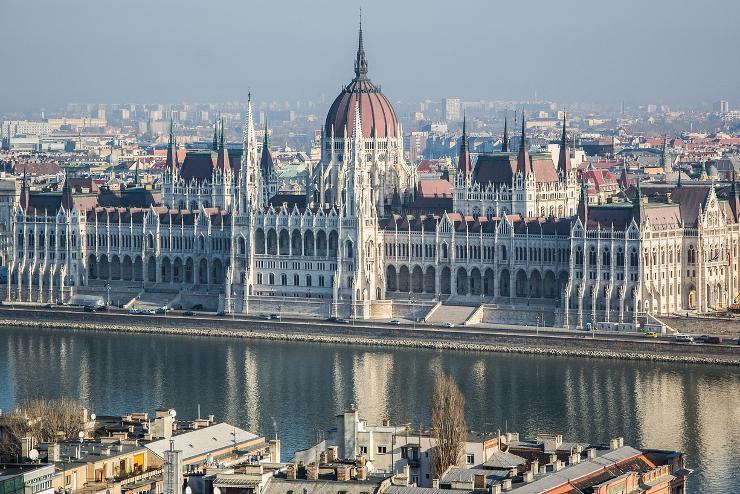
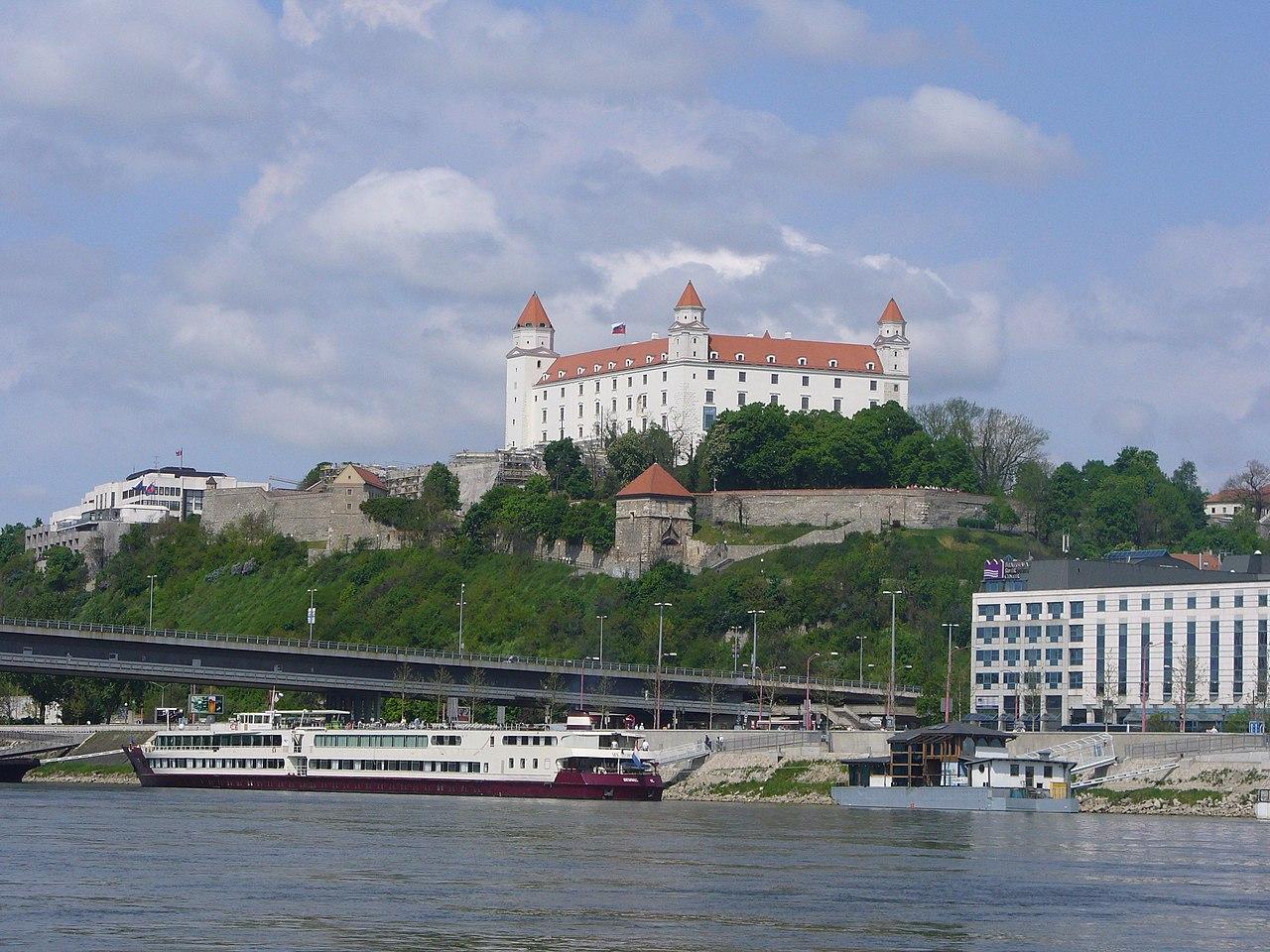
Berlin / Potsdam → Wittenberg → Meissen → Dresden → Bad Schandau / Saxon Switzerland → Czech river towns → Prague, with exact waterways and overland segments varying by operator.
Exact port sequences vary by cruise line, water conditions, ship design and departure date. Some trips also include hotel stays or motorcoach excursions that extend well beyond the river itself, so the complete day-by-day itinerary is more important than the cruise title.
Best Time of Year to Cruise the Elbe
Spring and fall are often attractive for sightseeing temperatures, while summer brings long daylight hours. The Elbe is unusually sensitive to water conditions because portions are comparatively shallow, so itinerary flexibility matters more here than on many European rivers.
No season can guarantee perfect weather or river conditions. For that reason, it is useful to choose the season based on the experience you want—comfortable walking weather, long summer daylight, fall color, harvest activity, holiday markets, wildlife patterns or other destination-specific priorities.
Cities, Ports and Places You May Visit
Berlin and Potsdam
Often included as the beginning or end of an Elbe cruise-tour, with major historic sites and Sanssouci Palace.
Wittenberg
Closely associated with Martin Luther and the Protestant Reformation.
Meissen
Famous for porcelain production, a compact old town and hilltop architecture.
Dresden
A major cultural highlight with the Frauenkirche, Zwinger, Semperoper and extensive art collections.
Saxon Switzerland
A dramatic landscape of sandstone formations and river views near the German-Czech border.
Prague
Usually included through connected waterways and/or a land component; one of Central Europe’s great historic cities.
Which Cruise Lines Sail the Elbe?
Viking and CroisiEurope are notable operators on Elbe itineraries; availability is more limited than on the Rhine or Danube and can change by year.
Cruise lines should not be treated as interchangeable. Cabin design, dining, included excursions, activity levels, service style, passenger count, gratuities, beverages and pre- or post-cruise programs can differ substantially. The best line is the one that fits the traveler’s priorities and the specific river.
Is a Elbe River Cruise Right for You?
The Elbe should not be chosen simply because someone wants a generic European river cruise. It is best for travelers specifically interested in German and Czech culture, Berlin, Dresden, Prague and Reformation history. Water levels can affect operations, so travelers should understand the cruise line’s contingency plans.
A Elbe cruise can be an excellent fit for travelers who value destination-focused travel, guided sightseeing and the convenience of returning to the same stateroom each evening. It may be less suitable for someone who wants a resort-style ship with extensive entertainment, large pools, casinos or a wide range of onboard venues.
Things to Consider Before Booking
· Walking and mobility requirements on shore
· The amount of daytime scenic cruising versus nighttime sailing
· Included excursions versus optional excursions
· Docking locations and transfers into major cities
· Seasonal weather, heat, rain or cold
· Possible itinerary changes caused by river, weather or local conditions
· The value of appropriate travel protection
Questions to Ask Before Booking a Elbe River Cruise
1. How much of the itinerary is actually sailed versus traveled by coach?
2. How does the cruise line handle low water?
3. Are Berlin and Prague hotel stays included?
4. Is Saxon Switzerland included?
5. Which ship is specifically designed for the Elbe?
Choosing the Right Elbe River Cruise
The river is only the beginning. The right Elbe cruise depends on the itinerary, cruise line, ship, cabin, included excursions, pace, dining style, activity level, season and total trip price. Two ships can sail through the same region and still provide very different vacations.
At All About Travel, our advisors can help compare those differences so you can choose a Elbe River cruise that fits the way you actually want to travel.
Elbe River Cruise FAQs
What is the best time to cruise the Elbe?
Spring and fall are often attractive for sightseeing temperatures, while summer brings long daylight hours. The Elbe is unusually sensitive to water conditions because portions are comparatively shallow, so itinerary flexibility matters more here than on many European rivers.
How long is a typical Elbe River cruise?
Cruise length varies by route. Many core river itineraries are about one week, while expedition cruises, combination cruises and cruise-tours can be significantly longer. Compare the number of actual cruise nights with hotel and land-tour nights.
What should I look for when comparing Elbe cruises?
Compare the exact route, time in the most important destinations, included excursions, ship and cabin, activity level, dining and beverage inclusions, transfers, pre- and post-cruise hotels, and how the operator handles itinerary disruptions.
Are river cruises good for first-time cruisers?
They can be. A Elbe cruise is most appealing to travelers who prioritize destinations and guided exploration. The onboard experience is generally quieter and more intimate than a large ocean cruise.
All About Travel
6104 Northwest 63
Oklahoma City, OK 73132
(405) 384-3880 or (800) 880-8517
 |
 |
 |
||