
All About Travel, Ltd.
Call 405-384-3880
800-880-8517
email: trips@allabout-travel.com



Oklahoma City's Best Cruise Travel Agency
Danube River Cruises: A Complete Guide to Cruising the Danube
The Danube is one of Europe's great river-cruise destinations and an excellent choice for both first-time river cruisers and experienced travelers. A Danube River cruise can combine grand European capitals, medieval towns, vineyard-covered hillsides, castles, abbeys, classical music, regional cuisine and centuries of European history—all without changing hotels every few days.
The classic Upper Danube connects destinations such as Passau, Vienna, Bratislava and Budapest, while longer Lower Danube itineraries can continue through Hungary, Croatia, Serbia, Bulgaria and Romania toward the Black Sea.
That distinction is important. Not every Danube cruise offers the same experience. A seven-night cruise through Austria, Slovakia and Hungary can feel very different from a longer journey through southeastern Europe.
Choosing the right section of the Danube, itinerary, cruise line and time of year can make a significant difference in your overall experience.
Why Take a Danube River Cruise?
Few European rivers connect so many different cultures and destinations as naturally as the Danube.
During a single river cruise, you might walk the narrow streets of a Bavarian town in the morning, sail past Austrian vineyards in the afternoon, explore imperial Vienna the next day and later arrive by river in Budapest.
The Danube offers an unusually good combination of:
|
|
|
|
|
|
|
|
|
|
|
|
|
|
For travelers who want to see several parts of Europe without constantly packing, unpacking and changing hotels, the Danube is particularly appealing.
Upper Danube vs. Lower Danube: What's the Difference?
One of the most important things to understand before booking is that the phrase "Danube River cruise" can describe very different trips.
Upper Danube River Cruises
The Upper Danube is the route many travelers picture when they think about a European river cruise.
Typical destinations can include:
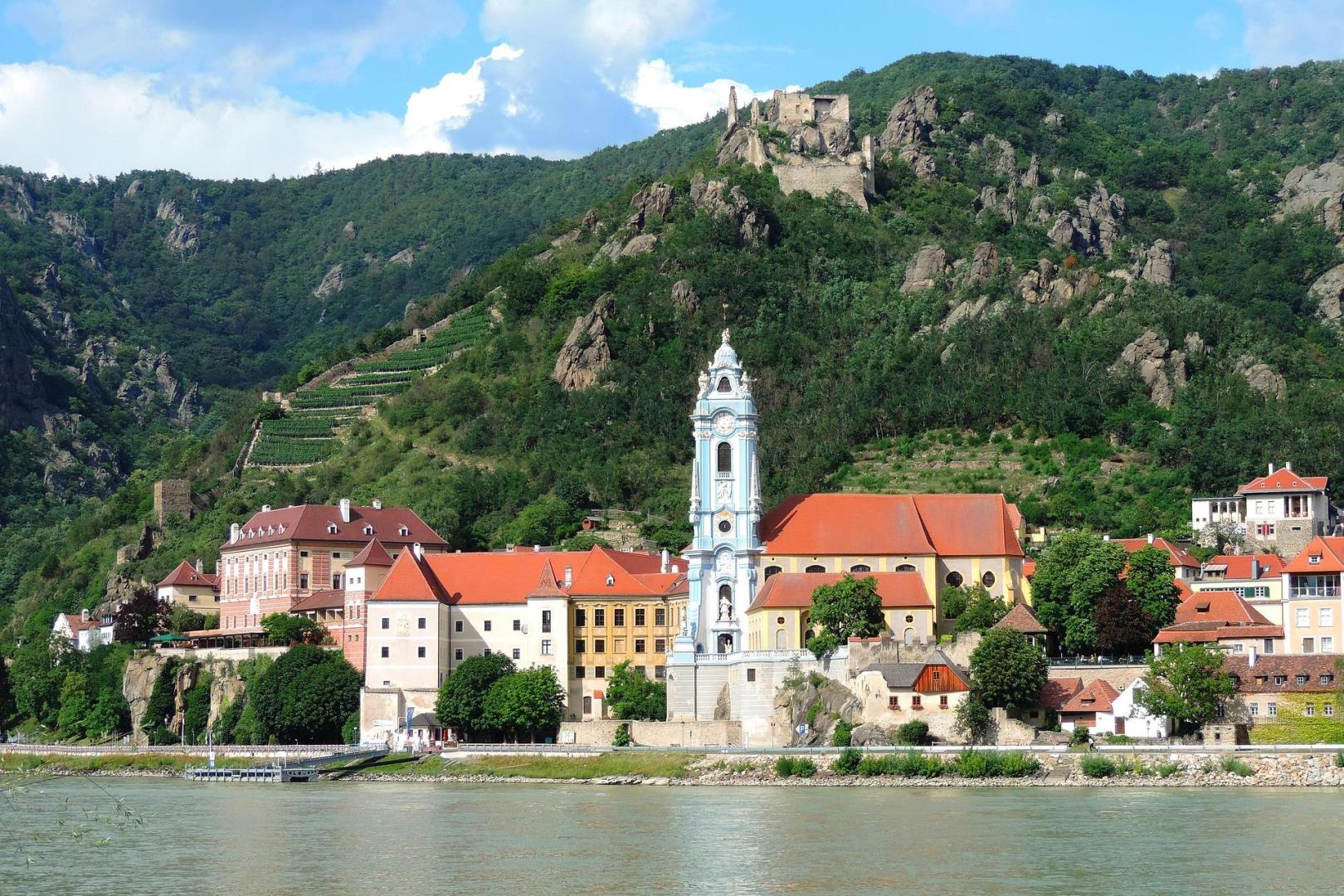
Passau → Linz → Melk → Dürnstein → Vienna → Bratislava → Budapest
This region combines some of Europe's most recognizable cities with beautiful countryside, vineyards, abbeys and smaller historic communities.
The Upper Danube is particularly well suited to someone taking a first European river cruise.
Lower Danube River Cruises
Longer itineraries can continue east of Budapest into southeastern Europe.
Depending upon the itinerary, destinations may include:
Esztergom → Vukovar → Novi Sad → Belgrade → Vidin → Ruse → Giurgiu/Bucharest → the Black Sea region
Lower Danube cruises tend to focus more heavily on Balkan history, fortresses, rural landscapes and the cultures of southeastern Europe.
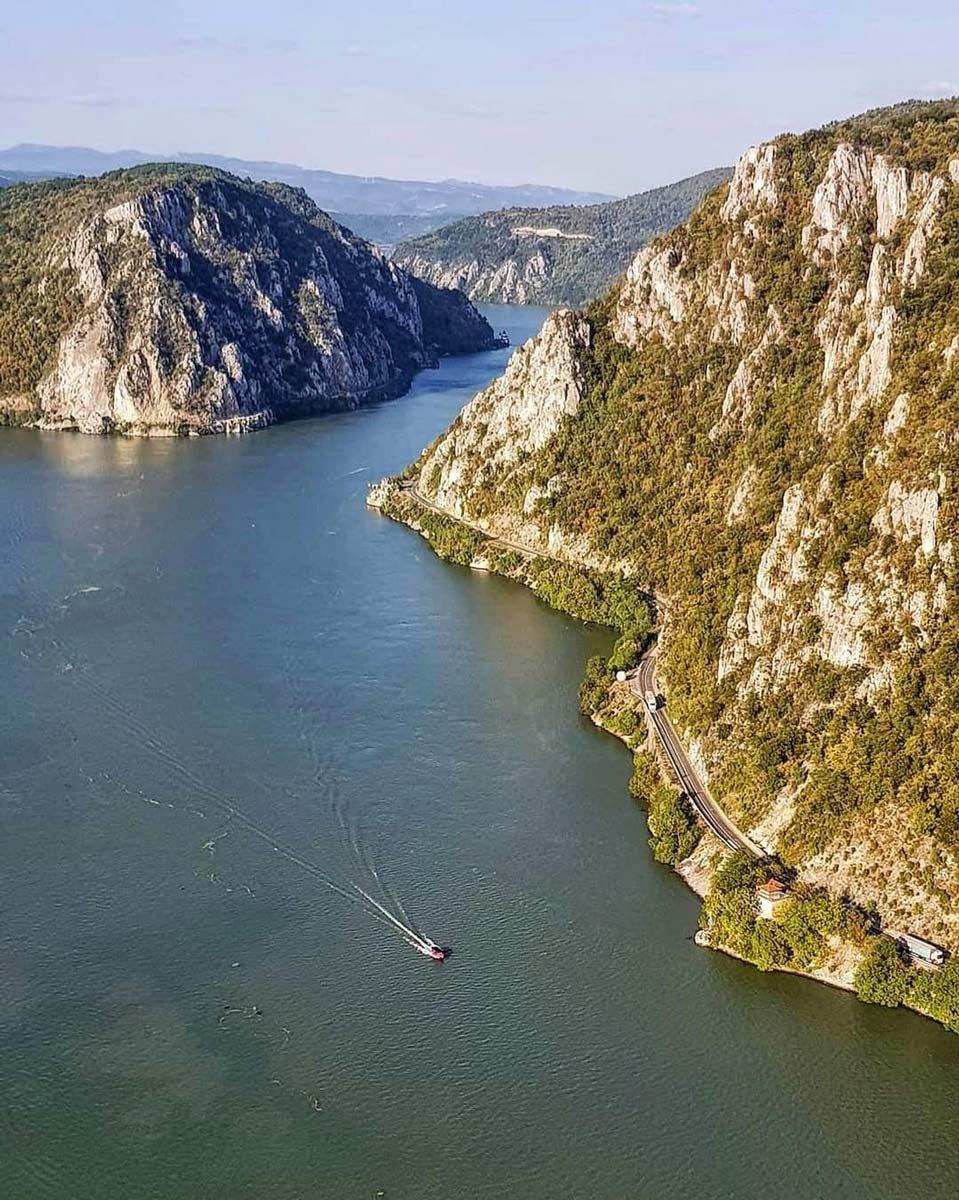
One of the major scenic highlights is the Iron Gates, where the Danube passes through a dramatic gorge between Serbia and Romania.
What Is the Best Time of Year to Cruise the Danube?
Our favorite times to sail the Danube are generally:
May, June, September and Early October
These months often provide the best combination of comfortable sightseeing weather, attractive scenery and manageable crowds.
May brings fresh spring landscapes and flowers.
June provides long daylight hours and plenty of time for sightseeing.
September combines warm days with vineyards and wine-harvest atmosphere.
Early October can bring cooler temperatures and beautiful fall color.
There is no month that can guarantee perfect weather or river conditions, so some flexibility should always be part of planning a river cruise.
Cruising the Danube in Spring: March through May
Spring brings fresh landscapes, blossoms and generally lighter crowds.
Temperatures can vary considerably, so travelers should plan to dress in layers and bring rain protection.
Spring runoff and periods of heavy rain can occasionally produce higher water levels. Extremely high water can affect navigation beneath bridges, through locks or into certain docking locations.
For travelers who enjoy cooler sightseeing weather and greener landscapes, spring can be an excellent choice.
Cruising the Danube in Summer: June through August
Summer provides long days, outdoor cafés and one of the widest selections of Danube departures.
June can be particularly appealing.
By July and August, temperatures can become quite warm, and popular destinations such as Vienna and Budapest can be busy.
Extended periods of summer heat and drought can also contribute to lower river levels. In unusual circumstances, low water may require a cruise line to modify an itinerary.
Summer is still a very popular time to cruise, especially for travelers who prefer warmer weather and long daylight hours.
Cruising the Danube in Fall: September and October
Fall is one of our favorite times on the Danube.
Vineyards, harvest activity, comfortable walking temperatures and changing foliage can create an especially attractive river-cruise experience.
September can still provide pleasantly warm days, while October tends to become cooler.
Evenings become chilly and daylight hours shorten as the season progresses, but many travelers find that a worthwhile trade-off for the scenery and more comfortable sightseeing conditions.
Danube Christmas Market Cruises: Late November and December
A Christmas-market cruise offers an entirely different way to experience the Danube.
Cities and towns such as Vienna, Budapest, Bratislava and Passau are decorated for the holidays and filled with seasonal markets, lights, food, music and traditional crafts.
Expect cold weather and shorter daylight hours. Snow is possible but certainly not guaranteed.
For travelers who enjoy Christmas traditions and festive European cities, this can be one of the most memorable times of year to cruise the Danube.
Cities and Ports You May Visit on a Danube River Cruise
Passau, Germany
Passau is a beautiful historic city located where the Danube, Inn and Ilz Rivers meet.
Its Baroque Old Town and St. Stephen's Cathedral make it an attractive beginning or ending point for many Danube itineraries.
Passau's compact historic center also gives travelers an immediate taste of the smaller European cities that make river cruising so appealing.
Linz, Austria
Linz is a lively Austrian city and a common Danube port.
Depending upon the itinerary, travelers may explore the city itself or use Linz as a gateway for excursions into the surrounding countryside and nearby historic destinations.
Melk, Austria
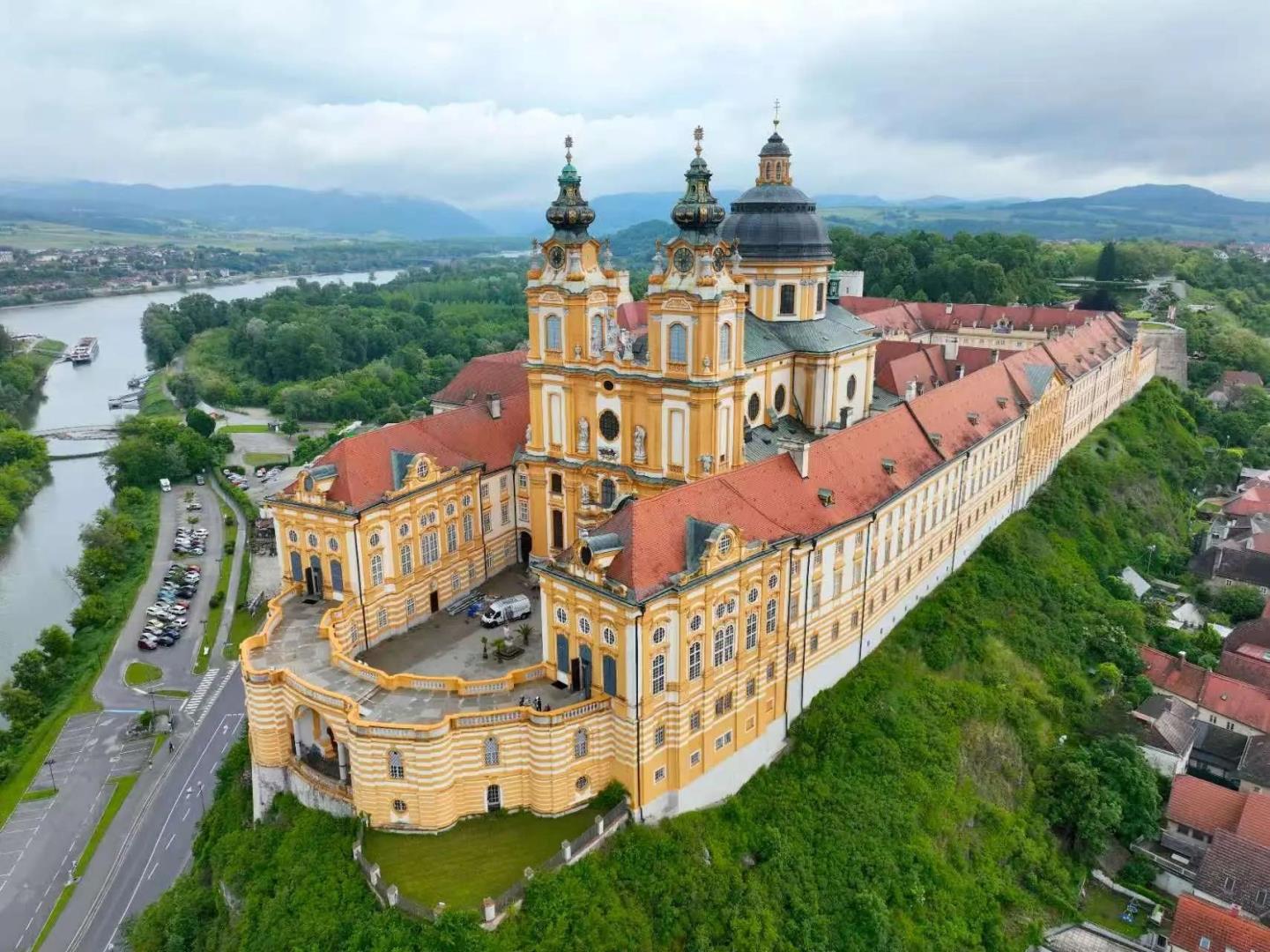
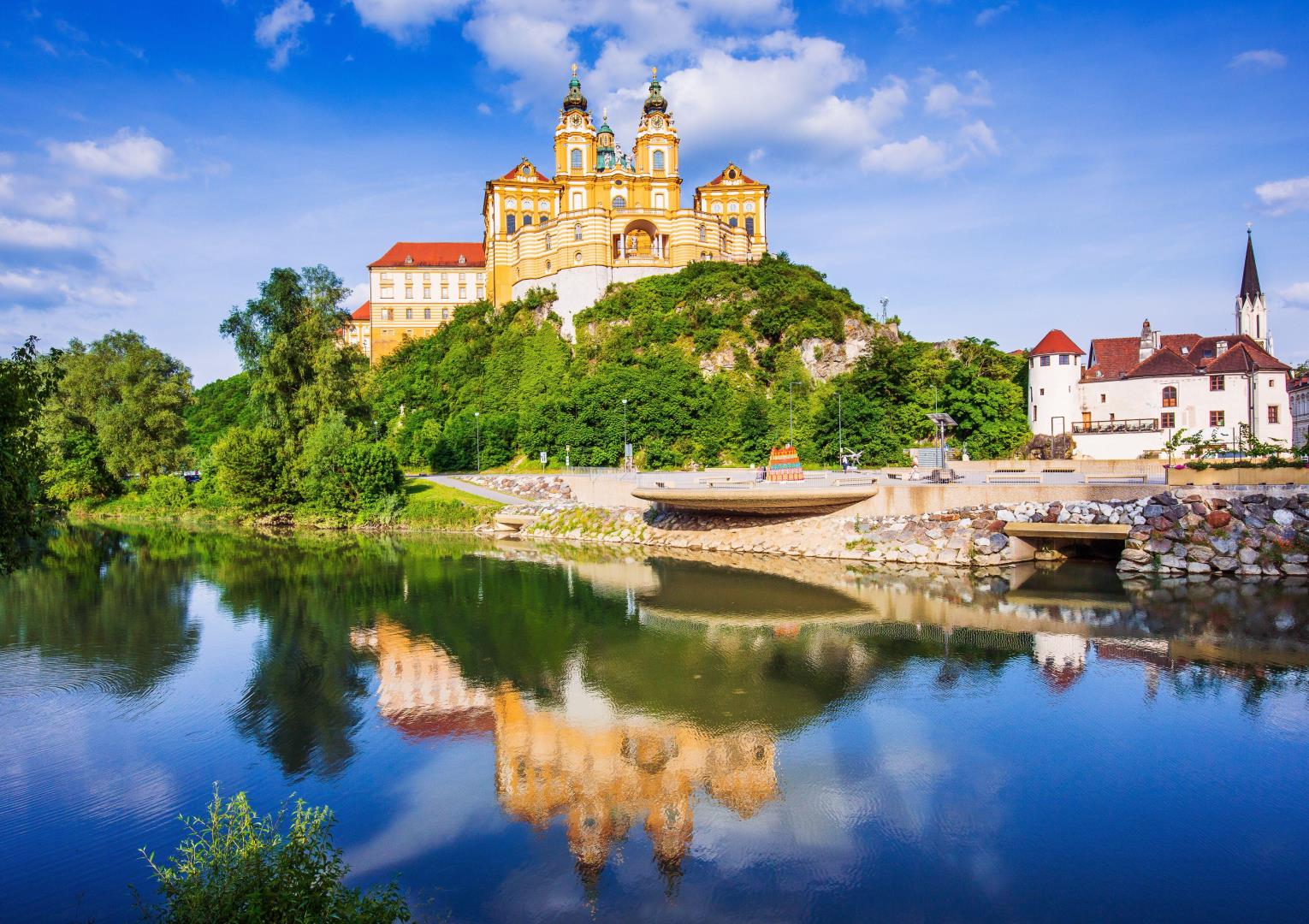
Melk is best known for magnificent Melk Abbey, a Baroque Benedictine abbey overlooking the Danube.
Its hilltop position makes the abbey one of the most recognizable landmarks along this section of the river.
Melk is also closely associated with the beginning of one of the Danube's most beautiful stretches: the Wachau Valley.
Dürnstein, Austria
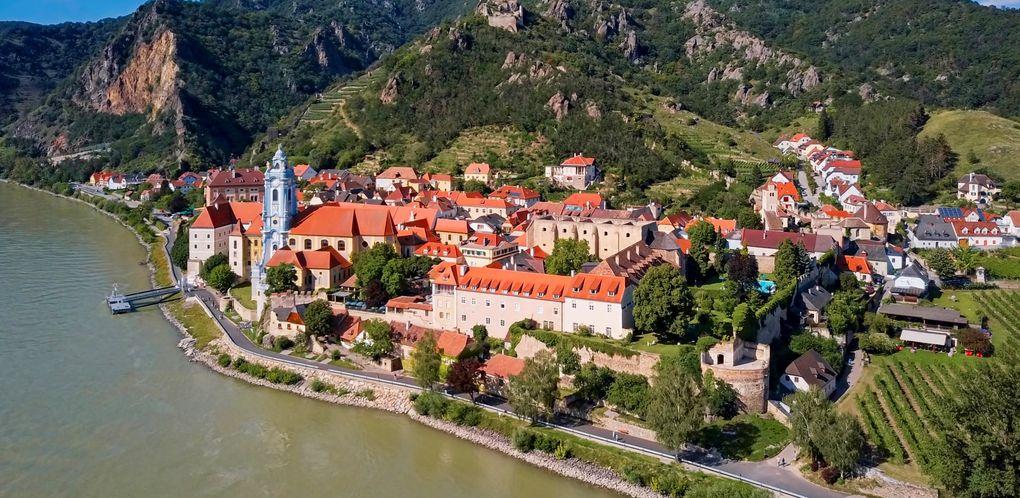
Dürnstein combines vineyards, a small historic town, a distinctive blue church tower and castle ruins overlooking the river.
It is exactly the type of smaller destination that distinguishes river cruising from a vacation focused entirely on Europe's major cities.
Vienna, Austria
Vienna is one of the marquee destinations of a Danube River cruise.
Highlights can include:
-
Schönbrunn Palace
-
The Hofburg
-
St. Stephen's Cathedral
-
Ringstrasse architecture
-
Classical music
-
Museums
-
Traditional Viennese cafés
-
Imperial history
Travelers should pay attention to exactly how much time an itinerary spends in Vienna because the city offers far more than can be experienced during a short visit.
Bratislava, Slovakia
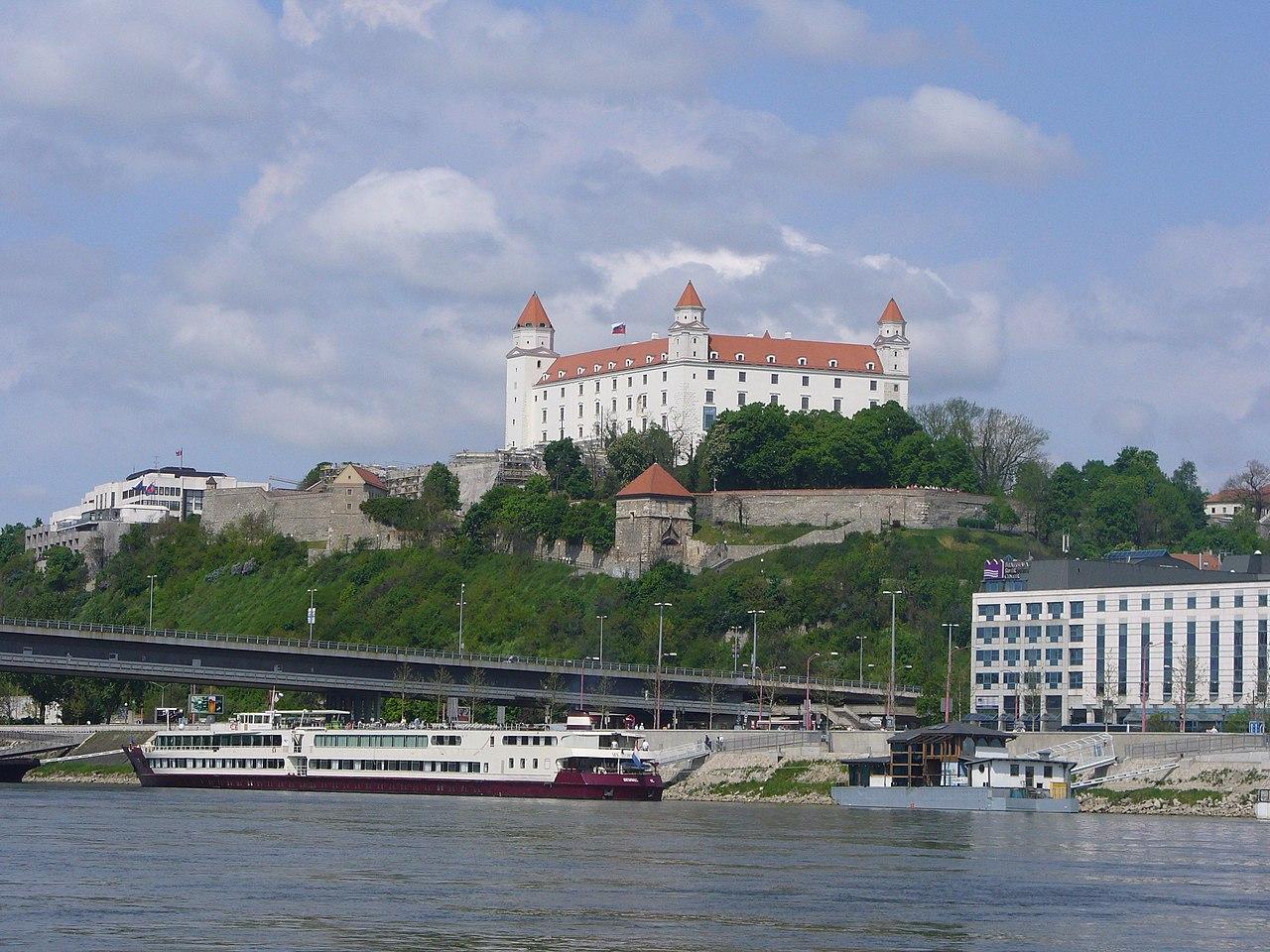
Bratislava offers a compact historic center beneath Bratislava Castle.
Its Old Town is generally easy to explore on foot and provides a noticeably different Central European atmosphere from nearby Vienna.
The proximity of Vienna and Bratislava is also one of the interesting features of a Danube itinerary: two European capitals can be experienced within a relatively short stretch of river.
Budapest, Hungary
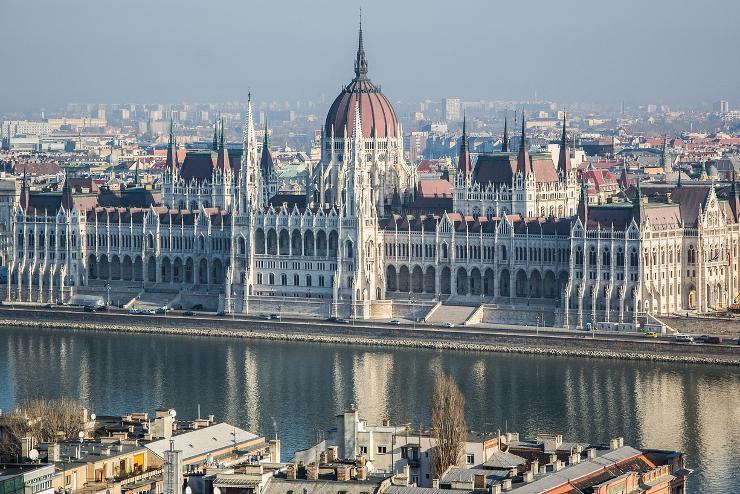
Budapest is one of the great river-cruise cities of Europe.
The Danube divides historic Buda from Pest, and many of the city's most famous landmarks face the river.
From the water, travelers may see:
-
The Hungarian Parliament Building
-
Buda Castle
-
The Chain Bridge
-
Fisherman's Bastion area
-
Historic bridges
-
The illuminated Budapest waterfront
Budapest can be particularly dramatic after dark, when Parliament, Buda Castle and the city's bridges are illuminated.
For that reason, it is worth comparing itineraries to see whether your ship is scheduled to sail through Budapest at night.
The Wachau Valley
The Wachau Valley, between Melk and Krems, is one of the scenic highlights of the classic Upper Danube.
Here the river passes through a landscape of:
|
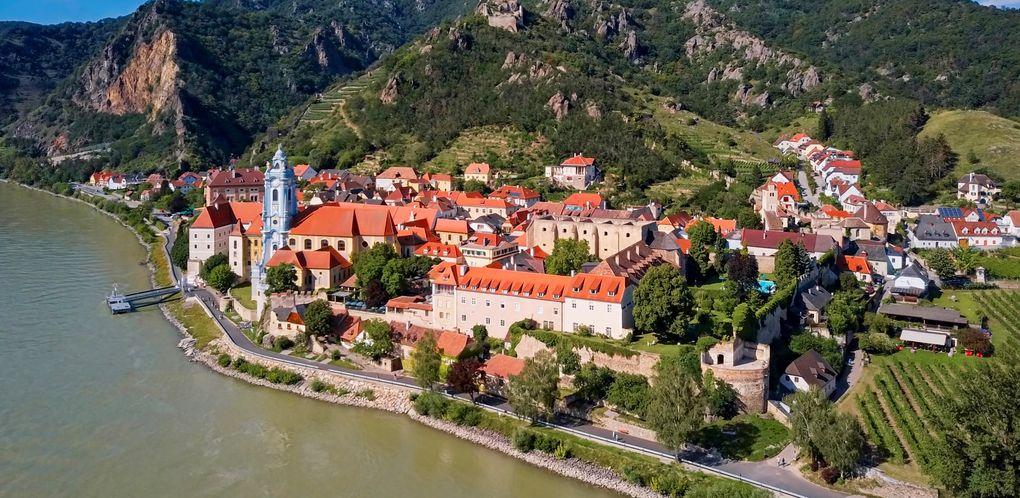 |
The Wachau is a UNESCO-listed cultural landscape and is often one of the portions of a Danube cruise when simply sitting aboard the ship and watching the scenery becomes an important part of the experience.
This is one reason travelers should consider the amount of daytime scenic cruising included in an itinerary—not only the list of ports.
Other Sights and Experiences Along the Danube
A Danube cruise may include or provide access to:
Melk Abbey — One of Austria's most recognizable Baroque landmarks.
Vienna's imperial architecture — Palaces, churches, museums and grand boulevards reflecting the city's Habsburg history.
Budapest from the river — One of the most memorable urban views available on a European river cruise.
Historic river towns — Passau, Dürnstein, Krems, Bratislava and other communities offer churches, squares, narrow streets and local food experiences.
Wine country — Particularly along Austria's Wachau Valley.
Belgrade and Novi Sad — Important destinations on longer Lower Danube itineraries.
The Iron Gates — A dramatic gorge along the Serbia-Romania border and one of the scenic highlights of the Lower Danube.
The longer you travel east along the Danube, the more the experience shifts from the familiar Central European scenery of Austria and Hungary toward the cultures and landscapes of southeastern Europe.
Which Cruise Lines Sail the Danube?
A number of river-cruise companies operate Danube itineraries. Depending upon the year, season and route, options can include:
AmaWaterways • Avalon Waterways • CroisiEurope • Emerald Cruises • Riviera Travel • Riverside Luxury Cruises • Scenic • Tauck • Uniworld • Viking River Cruises
The important thing is that these cruise lines are not interchangeable.
Ships, cabin designs, dining, excursions, activity levels, inclusions, service style and pricing can vary significantly.
Two cruise lines can travel essentially the same stretch of the Danube while providing very different vacation experiences.
That is why choosing the right cruise line should come after determining what type of Danube experience you want, rather than simply choosing whichever itinerary has the lowest advertised fare.
Is a Danube River Cruise Right for You?
The Danube is particularly well suited for travelers who want:
-
A strong choice for a first European river cruise
-
Several countries during one vacation
-
Major cities combined with small towns
-
History and architecture
-
Wine country
-
Classical music and European culture
-
Scenic cruising
-
Spring, summer or fall travel options
-
Christmas-market cruises
-
The convenience of unpacking once while visiting multiple destinations
Things to Consider Before Booking
A Danube cruise may require more walking than some travelers expect.
Historic European cities often include:
-
Cobblestone streets
-
Uneven pavement
-
Steps
-
Hills
-
Older buildings without elevators
-
Walking between the ship and excursion transportation
Travelers with mobility concerns should discuss the specific itinerary and excursions before booking rather than assuming all river cruises have the same physical requirements.
Other considerations include summer heat, crowds in major cities, cold weather during Christmas-market season and the possibility that unusual river conditions could require itinerary adjustments.
Danube River Levels: What Travelers Should Know
River cruising depends on nature.
Periods of heavy rain or spring runoff can occasionally create high-water conditions, while prolonged heat and drought can result in low water.
Either situation can affect navigation.
Depending upon circumstances, cruise lines may respond by:
-
Changing docking locations
-
Using motorcoach transportation
-
Revising excursions
-
Swapping passengers between ships
-
Adjusting portions of the itinerary
These conditions generally cannot be predicted far in advance.
For that reason, it is worthwhile to consider both the cruise line's operational capabilities and appropriate travel-protection options when planning a river cruise.
Questions to Ask Before Booking a Danube River Cruise
Before choosing an itinerary, ask:
-
Do I want the classic Upper Danube or a longer Lower Danube cruise?
-
Which cities are overnight stops?
-
Will the ship cruise through Budapest after dark?
-
How much time is actually spent in Vienna, Budapest and the Wachau Valley?
-
Which excursions are included in the cruise fare?
-
Are active, gentle and independent sightseeing options available?
-
How does the cruise line handle high or low river levels?
-
Would I rather experience spring scenery, summer warmth, autumn vineyards or Christmas markets?
-
How much daytime scenic cruising does the itinerary include?
-
Which cruise line best matches the way I prefer to travel?
These questions are often more useful than simply asking, "What is the best Danube cruise?" because the best choice depends heavily on the traveler.
Choosing the Right Danube River Cruise
The river itself is only the beginning.
The right Danube cruise also depends upon the:
Itinerary • Cruise line • Ship • Cabin • Included excursions • Pace • Dining style • Activity level • Time of year • Overall price
A traveler interested primarily in Vienna, Budapest and classical European culture may choose a very different itinerary from someone interested in Serbia, Romania and the Iron Gates.
Likewise, someone looking for an active cruise with biking and hiking may prefer a different cruise line than someone looking for a slower-paced luxury experience.
At All About Travel, our advisors can help compare those differences so you can choose a Danube River cruise that fits the way you actually want to travel.
All About Travel
6104 Northwest 63
Oklahoma City, OK 73132
(405) 384-3880 or (800) 880-8517
 |
 |
 |
||